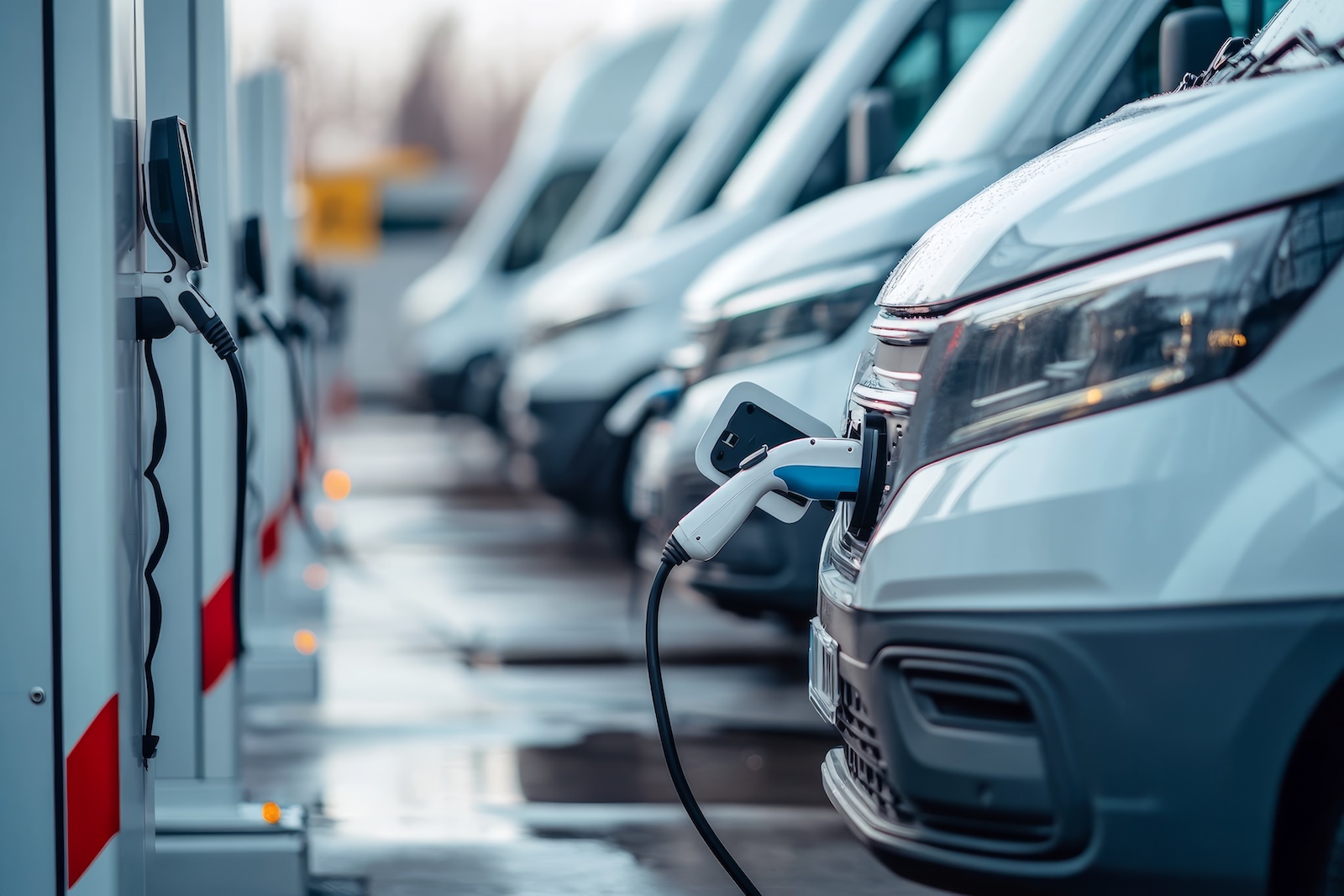
EV registrations are up 15% on last year. March 2026 saw the highest demand for new electric vehicles ever recorded.
For fleet operators who have been watching the market and waiting for the right moment to act, that moment has arrived. The economics, the infrastructure, the incentives, and the regulatory direction are all pointing the same way. 2026 is the year to move.
The two million milestone is a headline figure, but the data behind it tells a more detailed story about where the fleet opportunity sits right now.
According to Autotrader, the average new electric car is now cheaper to buy than the average new petrol model. Government grants, over 160 EV models now available, and sustained manufacturer discounting have eliminated the purchase price premium that held many fleet operators back. The Electric Car Grant has already helped more than 100,000 drivers save up to £3,750 off the cost of a new EV.
A recent EY report found that fleet electrification could cut operating costs by up to 64% for company cars and up to 38% for light commercial vehicles in the UK. Drivers can save up to £1,400 per year in running costs compared to petrol, even when using public charging. For high-mileage fleet vehicles charged at a managed depot rate, the savings compound significantly over the vehicle's life.
Electric light commercial vehicle registrations are forecast to increase by around 50% in 2026, reaching approximately 45,000 units, driven by new models now offering real-world ranges of over 200 miles and payloads of one tonne or more. For operators who previously found the electric van market too limited, the choice and capability available in 2026 is materially different from even 12 months ago.
Fleets now account for more than 60% of all new electric vehicles registered in the UK. More than 75% of new corporate car registrations in 2025 were electric, according to EY. The commercial sector is not waiting for consumer demand to lead the way; it is driving the transition.
For many commercial fleets, the primary driver of electrification has shifted from compliance to cost. More than 40% of operators now expect lower total cost of ownership over a four to seven year replacement cycle.
The direction of travel for fleet electrification is not a question of government intent. It is law. The Zero Emission Vehicle mandate requires manufacturers to ensure 80% of new cars and 70% of new vans sold by 2030 are zero-emission. The mandate increases year on year from here.
Alongside the regulatory framework, the financial support currently available to fleet operators is among the most generous the UK market has seen. The current incentives include:
This level of financial support will not remain in place indefinitely. Grant schemes are subject to review, funding is finite, and mandate pressure on manufacturers, which currently drives competitive pricing, will ease as the market normalises. The operators who act now access incentives that their competitors who wait may not.
One of the most frequently cited reasons for fleet operators to delay electrification has been uncertainty about the charging infrastructure. That concern is diminishing. The UK's public charging network has grown to over 119,000 charge point connectors across more than 46,000 locations, with ultra-rapid chargers rated above 150kW growing by 40% in 2025 alone.
But for fleet operators, public charging is rarely the primary solution. Depot charging, where vehicles charge overnight or during operational downtime on site, is where fleet electrification is won or lost. The government's £170 million investment in depot charging infrastructure reflects this reality, and the businesses building their own depot charging capacity now are the ones that will have operational independence, cost predictability, and scalability as their fleets grow.
The UK's EV fleet is forecast to grow from around 1.3 million vehicles in 2025 to 7 million by 2030. The depot charging infrastructure built today needs to be designed for that trajectory, not just for today's fleet.
The conversation around fleet electrification has fundamentally shifted. Where 2024 and 2025 were characterised by questions of whether to electrify, 2026 is defined by how to do it well.
Fleet operators who have moved quickly on electrification without properly planning their charging infrastructure are discovering that the vehicle decision and the infrastructure decision cannot be separated. The charging system that serves your fleet today needs to be built with tomorrow's fleet in mind.
The planning questions that determine whether depot charging succeeds include:
These are not questions with standard answers. Every depot is different. Every fleet is different. The businesses that electrify successfully are the ones that get proper answers before committing to hardware.
EVC Solutions is a UK-wide specialist in fleet EV charging infrastructure. We work with fleet operators at every stage of the electrification journey, from initial site assessment and load management design, through to installation, charge point management via EVC Connect, and long-term operational support.
Our approach is consultative. We assess your site, your fleet composition, your operational requirements, and your plans for the next three to five years before recommending anything. That means you get an infrastructure solution built for your operation, not a standard package fitted to any depot.
We have helped businesses across the UK install depot charging that works from day one and scales as their fleets grow. We help clients access the funding available to offset costs, and we stay with them after the installation is complete.
Our ethos is simple: no one should regret the decision to hire EVC Solutions. Every project is planned carefully, delivered properly, and supported reliably.
If the two million milestone and the current economics of fleet electrification have prompted you to start a serious conversation about your depot charging infrastructure, we would welcome the chance to speak with you.
We can give a site assessment that gives you a clear, honest picture of what your site can support, what it will cost, what funding is available, and what a properly planned transition looks like for your fleet.
Call us on 03300 904030 or contact Adrian Cooper directly to arrange a conversation.
See What's Possible.