For fleet managers watching the headlines, the temptation may be to pause, to wait and see, to treat political uncertainty as a reason to delay electrification decisions.
That would be a mistake.
The ZEV mandate was introduced in 2024, requiring manufacturers to ensure a rising percentage of their new vehicle sales are zero-emission each year. In its first year, the target stood at 22% for cars and 10% for vans. By 2026, those figures rise to 33% for cars and 24% for vans, with the mandate requiring 80% of all new cars sold in the UK to be fully electric by 2030.
Reports now suggest the Government is considering reducing these targets, responding to pressure from the Society of Motor Manufacturers and Traders (SMMT) and unions including Unite, who cite weak retail demand and the financial burden on manufacturers.
What remains unchanged is the 2030 end date for new petrol and diesel car sales. The destination has not moved. Only the pace of the journey is being debated.
Here is the fundamental problem with treating this news as a reason to pause: the business case for fleet electrification was never built on the ZEV mandate.
Fleet and business registrations already account for between 70% and 80% of all new electric vehicle sales in the UK. Fleets are not electrifying because manufacturers are required to sell EVs. They are electrifying because the financial logic is compelling.
Benefit-in-kind tax rates on electric vehicles remain significantly lower than on petrol and diesel equivalents. Salary sacrifice schemes continue to make EVs accessible and attractive for employees. Fuel and maintenance cost savings compound over the life of a vehicle. These drivers exist entirely independently of whatever target the Government chooses to set for manufacturers.
Waiting for the mandate debate to settle is not a neutral position. Every month of delay is a month of higher fuel costs, higher tax liabilities, and a narrowing window to build the infrastructure your fleet will depend on.
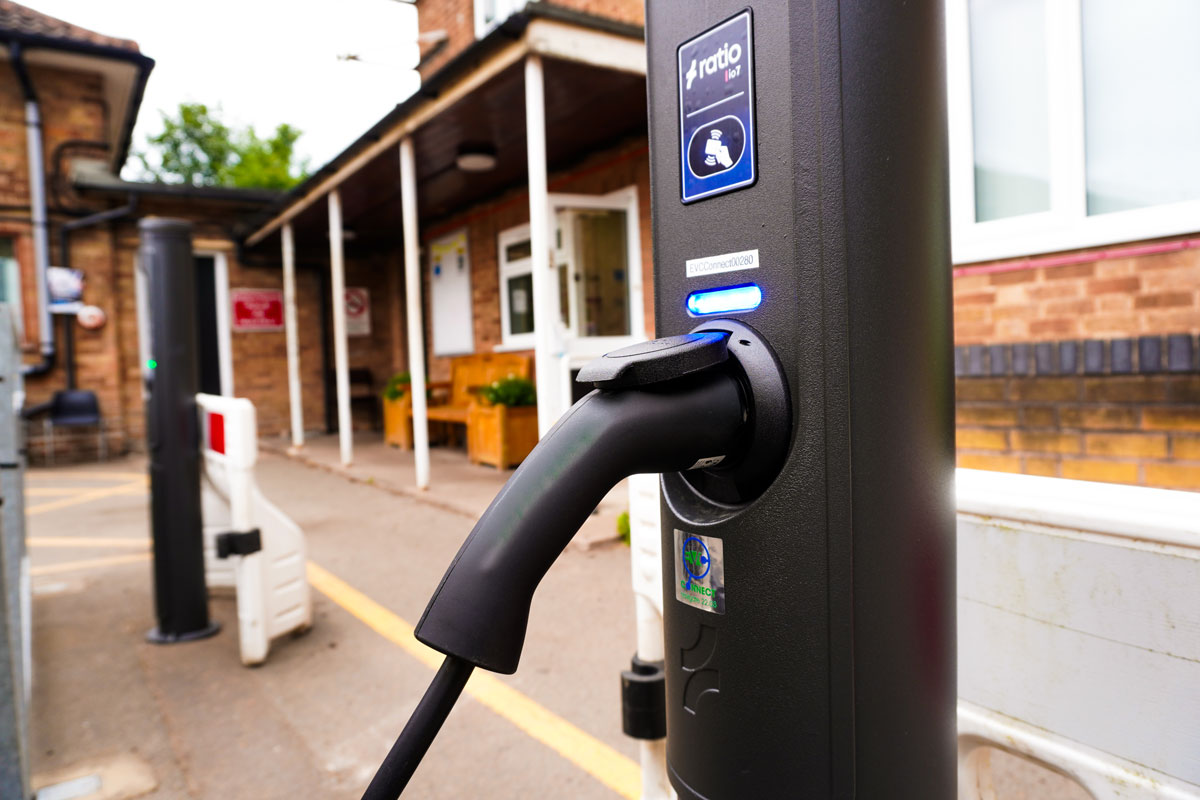
This is where fleet managers need to think beyond the vehicle procurement decision. Charging infrastructure takes time to plan, approve, and install. Load management assessments, grid connection upgrades, site surveys, and hardware selection all need to happen well ahead of vehicles arriving on site.
The fleets that will transition smoothly in 2027, 2028, and 2029 are the ones making infrastructure decisions now. The fleets that wait for political certainty before beginning the process will find themselves under-prepared, overpaying for rushed installations, and potentially unable to charge their vehicles effectively.
Political noise around the ZEV mandate does not change that timeline. If anything, it makes early action more valuable, because infrastructure lead times are fixed regardless of what Westminster decides.
At EVC Solutions, we work with fleet operators across the UK to assess their sites, understand their future vehicle requirements, and design charging infrastructure that scales as their fleets grow. Our approach is not to sell hardware and walk away. It is to understand the full picture: load management constraints, grid capacity, future scalability, and the funding and grant options available to reduce upfront cost.
Our advice to fleet managers right now is straightforward: do not let Westminster's indecision become your indecision. The direction of travel is not in question. The 2030 petrol and diesel ban remains in place. Your vehicles will need to charge. The only real question is whether your infrastructure will be ready when they do.
Ready to understand what EV charging infrastructure looks like for your fleet?
Call us on 03300 904030 or contact Adrian Cooper directly to arrange a conversation.
See What's Possible.