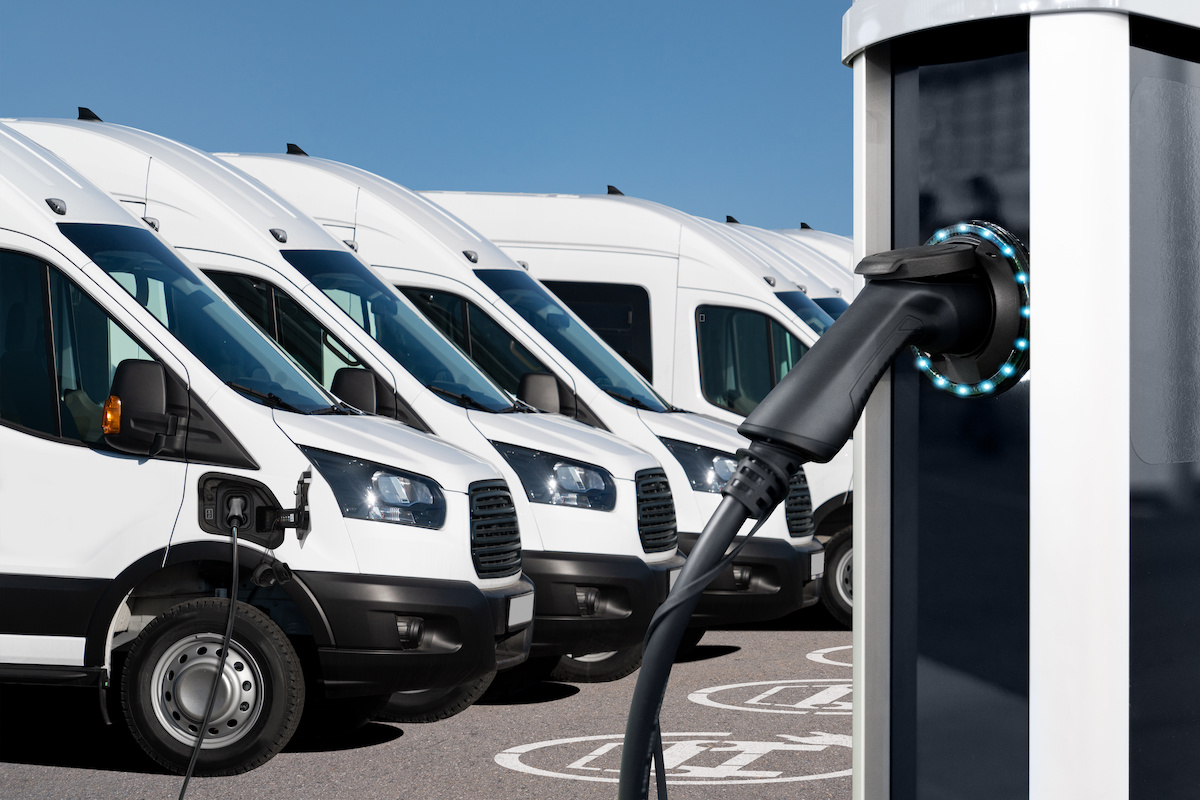
The Depot Charging Scheme is the government's main grant for depot infrastructure. It part funds charge points at depots that run battery electric vans, HGVs and coaches. In March 2026 the government confirmed a £170 million boost to the scheme, running to 2030. Businesses and public authorities can claim up to £1 million, covering up to 70% of the cost of charging infrastructure (GOV.UK).
The second application window was due to open on 28 October 2026 and close on 29 January 2027, for projects starting from April 2027 (Fleet News). It did not open. The application page returned an error, and the Department for Transport said an update would be shared in due course (Fleet News). FleetPoint reported on 3 November that it had found no explanation from either the DfT or the Office for Zero Emission Vehicles (FleetPoint).
Grant rates are due to reduce over the life of the programme as charging infrastructure becomes more affordable (Fleet News). Applications are assessed on a first come, first served basis (Fleet News).
The Depot Charging Scheme covers charge point hardware, installation and civil works, and electrical infrastructure within the site. It does not cover grid connection or reinforcement costs (Drax).
Analysis from freight infrastructure body TwentyForty, reported by EV Fleet World in August 2026, puts the build time for a depot grid connection at 18 to 36 months. A truck procurement cycle takes a matter of months (EV Fleet World).
TwentyForty advises operators to ask about the grid connection first. It recommends getting a budget estimate from the network operator before costing chargers or ordering vehicles. It also states that the connection quote and date are negotiable, and that flexible connections can be requested (EV Fleet World).
Rightcharge's 2026 State of Fleet Charging Report is based on 2025 data. Public charging made up 27% of fleet charging sessions but 57% of total spend. Public charging averaged 81p per kWh, compared with 25p per kWh at home (TWINFM).
Across the Rightcharge platform, the blended average was 40p per kWh, or 11p per mile. That compares with 15p per mile for diesel and 17p per mile for petrol (TWINFM).
The same report found that 77% of home charging took place off peak, compared with 43% of public sessions. It states that shifting more charging to off peak periods could cut charging related emissions by up to a third (TWINFM).
Drivers on a dedicated EV tariff could pay around 6p to 7p per kWh. The report puts the annual saving at up to £1,300 per driver (TWINFM).
The depot scheme is not the only support available. The Zero Emission Van Grant offers up to £5,000 off new zero emission vans. The Zero Emission Truck Grant offers up to £81,000 off the heaviest trucks, covering up to 40% of the cost (GOV.UK).
For smaller organisations, the Workplace Charging Scheme rose to £500 per socket from 1 April 2026. Funding is capped at 75% of total cost, for up to 40 sockets. It is open to businesses, charities and public sector bodies with fewer than 250 employees, and applications close on 31 March 2027 (Autocar).
Key dates and actions
EVC Solutions is a UK specialist in EV charge point infrastructure for businesses and fleets. Its process covers consultation, site survey, bespoke design, installation and ongoing management through the EVC Connect platform. The site survey assesses electrical capacity, grid constraints, layout and future expansion. EVC Solutions also supports clients with funding and grant applications.
To discuss depot charging for your fleet, call Adrian Cooper on 03300 904030 or book an appointment.
See What's Possible.
Sources
Autocar: UK government cuts costs of EV chargers for fleets
GOV.UK: £1 billion to cut costs for businesses, drive growth and clean up UK roads (March 2026)
GOV.UK Find a Grant: Depot Charging SchemeFleet News: Depot Charging Scheme opens for applications soon (October 2026)
Fleet News: Uncertainty over Depot Charging Scheme reopening date (November 2026)
FleetPoint: The Depot Charging Scheme didn't open as expected (3 November 2026)
EV Fleet World: Fleet depots blocked by 10 year grid connection delays (4 August 2026)
Drax Electric Vehicles: Depot Charging Scheme FAQs
TWINFM: State of Fleet Charging 2026 (Rightcharge report, February 2026)