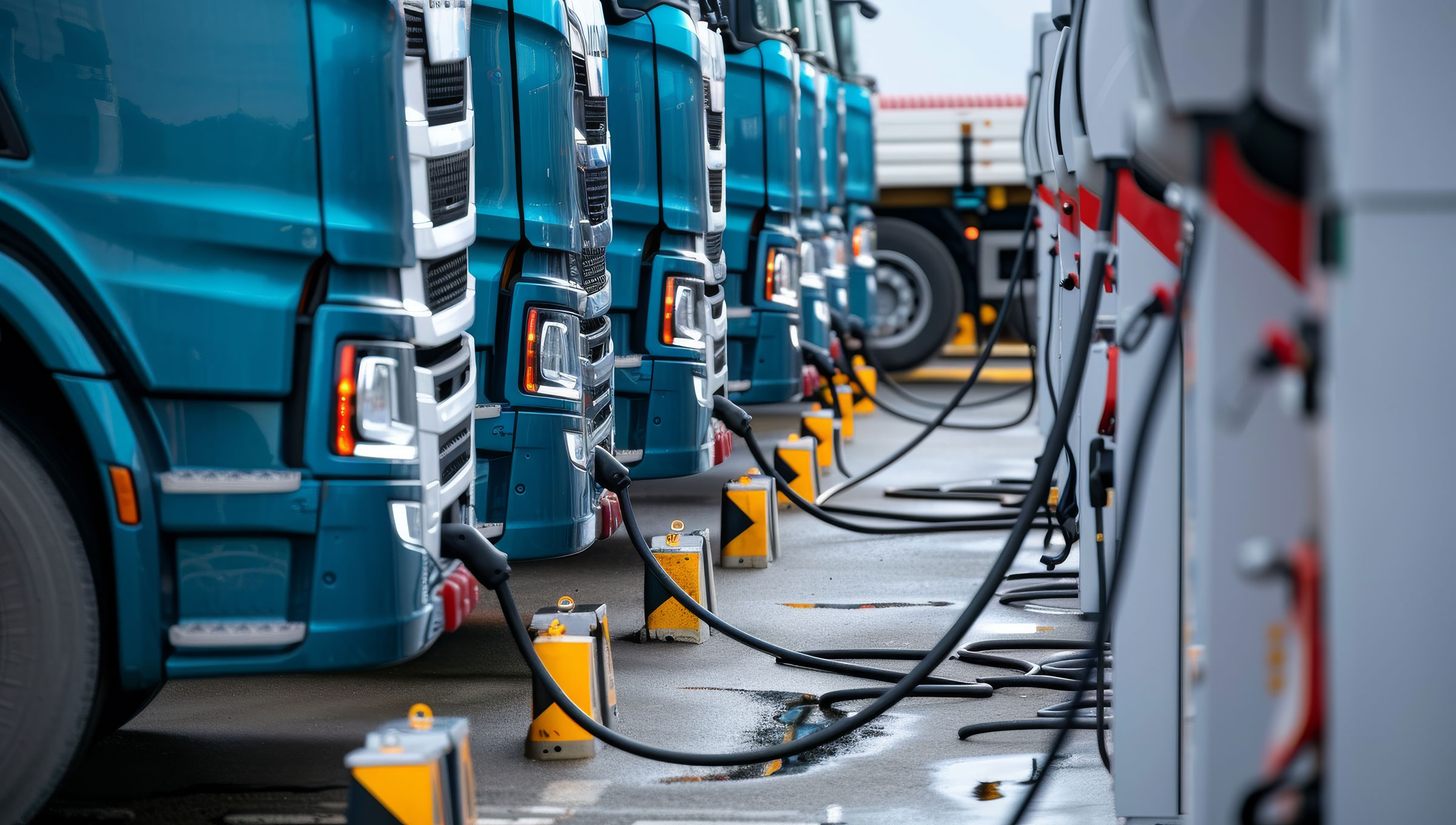
Upfront vehicle cost has long been one of the biggest barriers to electric HGV adoption, and this funding will undoubtedly help some operators move faster. But while the headline figure is eye-catching, grants alone will not deliver mass electrification of freight.
Electric HGVs aren’t being held back by a lack of ambition. Most operators want to decarbonise. The real challenge is operational certainty.
Fleet managers are responsible for uptime, route reliability, and cost control. An electric truck only delivers value if it can be charged reliably, predictably, and at scale. For many operators, that confidence still doesn’t exist.
Key concerns across the industry include:
In this context, a discounted electric lorry without assured charging infrastructure isn’t a solution, it’s a risk.
The government highlights the lower day-to-day running costs of electric lorries compared to diesel. That advantage is real but only when charging infrastructure is in place to support live operations.
For electric HGVs to be commercially viable, charging must be:
Without parallel investment in commercial-grade depot charging, faster grid connections, and long-term infrastructure funding, grants will primarily benefit large operators with the resources to self-solve these challenges.
High-profile deployments by companies like Amazon UK demonstrate what’s possible but they are not representative of the wider freight market.
Fleet electrification decisions are made over decades, not funding cycles. Operators need confidence that support will remain in place long enough to justify investment.
Consultation on phasing out non-zero-emission HGVs by 2040 is welcome. However, regulation without infrastructure readiness risks forcing decisions before businesses can make them safely.
Long-term certainty, not short-term incentives, is what unlocks real investment.
This announcement should be seen as a starting point, not the end goal.
To create a viable zero-emission freight sector, policy must address the full system:
Electric HGVs are coming. That debate is settled.
The real question is whether businesses can adopt them without compromising reliability, profitability, or jobs.
Because no transport director should ever have to explain why a sustainability decision became an operational failure.
How EVC Solutions Helps
At EVC Solutions, we support businesses through the full electrification journey, from consultation and site survey to charging design, installation, and long-term operational support, ensuring infrastructure works in the real world, not just on paper.